


-
Shop
-
Collections
-
About Us
-
Help
- Blog
- FAQ
- 206-282-1717
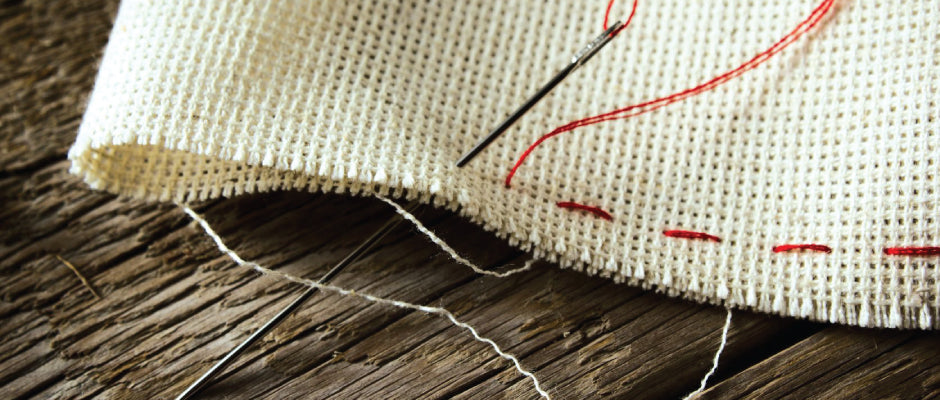
What makes a Soaring Heart mattress so comfortable, supportive, healthy, and long lasting? Two simple things: craftsmanship, and using only the highest quality materials. Every fiber and stitch has been inspected and tested. Every farm, carding mill, cotton gin, and latex plant has been vetted and scrutinized. Each supplier we work with is someone we have a personal relationship with and can attest to their commitment to organic processing, exquisite craftsmanship, and environmental stewardship.
We believe that a mattress should be simple, and the simplest way to make a beautiful mattress is by using time-tested construction techniques and only the finest natural and organic materials.
 Organic latex is an amazing material. It is uniquely strong and durable and at the same time very comfortable and healthy. With its natural elasticity, latex supports and conforms to the geography of the entire body, easing pressure on hips and shoulders while also supporting the small of the back and the waist. Studies have shown that latex relieves 30% more pressure than memory foam.
An organic latex mattress has a 20-year warranty, but can last 30 years or more without any significant change in support or softness. Latex's long-lasting comfort can easily carry a person from childhood well into adulthood. Latex does not dip or flatten out over time.
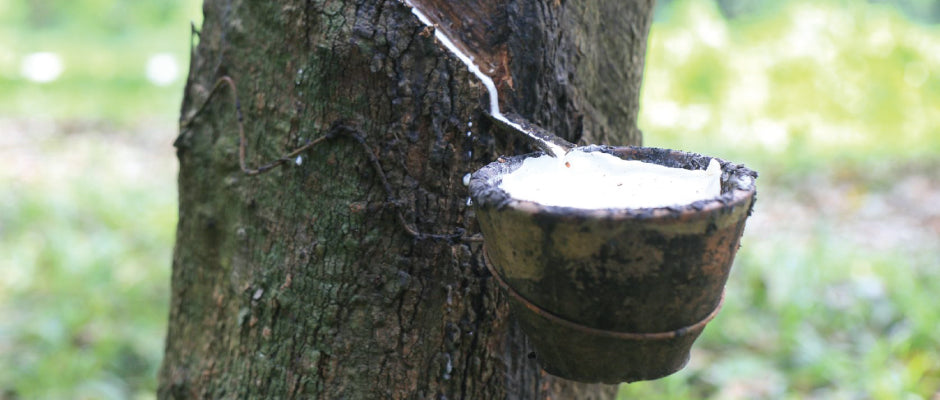
Organic latex in its natural form is a milky substance from the Hevea rubber tree that flows in ducts just outside of where the sap runs. The tapper harvests latex by scoring the bark of the tree with a knife just deep enough to reach the latex ducts. The dripping latex is collected and mixed with
.
We are proud that our latex mattresses are made with the only Global Organic Latex Standard (GOLS) certified latex in the world. The Dunlop process, used to make our organic latex, is relatively straightforward: compressed air is mixed with the latex and the mixture is whipped like a cake batter. Then the mixture of latex and air is poured into a mold and baked until it is firm. The firmness of the final product depends on the ratio of air to latex. The video below takes you all the way through the process.
More than 20 years of experience has taught us that foamed latex is safe and non-allergenic for just about everyone. Latex is also naturally resistant to dust mites, mold, mildew, fungus, and bacteria so including latex in your sleep system is very beneficial to people with allergies.
 Our Dunlop latex has been tested and certified to be safe by independent testing laboratory, The eco-INSTITUT. Our latex is organically certified by the Global Organic Latex Standard (GOLS), the most stringent third-party organic certification agency in the industry.
 Soaring Heart Natural Beds works exclusively with premium New Zealand organic wool. Our wool is a blend of certified organic wool from sheep raised on small farms (most under 100 animals). By blending wool fibers of various thicknesses our goal is to produce better, stronger, more durable sleep products. Plus, our exacting specifications require our wool buyers vet our ranchers to insure both their proper treatment of animals and compliance with the highest global organic standard because we firmly believe that happy sheep = happy sleep!

Wool is one of the best materials to use in mattresses or bedding. Soft, resilient, and an amazing insulator, the naturally complex structure of wool is unmatched by anything made by humans. The surface of wool fiber is comprised of overlapping scales and a thin, finely porous membrane. This unique layered structure gives wool the ability to quickly absorb and disperse water vapor while repelling actual water droplets. Wool is stronger and more resilient than most fibers. It lasts longer because its natural crimp acts like a spring, continually flexing and bouncing back to its original shape.
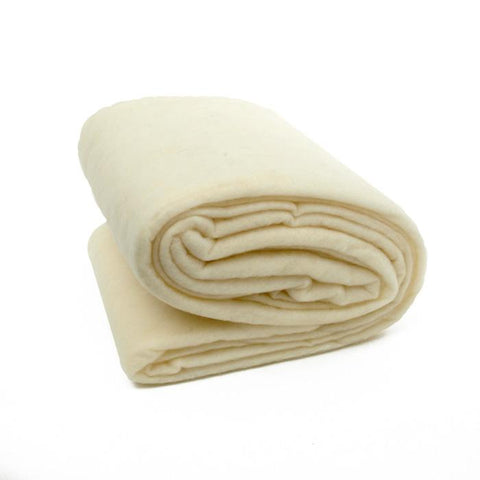
Wool is an incredible insulator. It surrounds the body with a layer of air that adjusts to your body temperature, so wool has the remarkable property of keeping you cooler in the summer and warmer in the winter. "Wool in the summer?" you ask. Think of the Bedouins in the desert, loosely dressed in lightweight clothing made from the wool of their own goats and sheep, insulating them from the sun.
Wool not only keeps in warmth and keeps out excess heat, it also breathes, meaning that air can cycle through the spaces in the fibers. This means the body will stay dry while finding the temperature range it needs for the most restful sleep. Wool makes a great comforter, keeping you warm without making it too hot or damp to interfere with your sleep cycle.
Fire Resistant
Because it turns to ash when exposed to flame, wool cannot ignite and therefore requires no fire retardant. Incorporating wool as the outer layer of any bed we build makes that bed more fire-resistant as well.
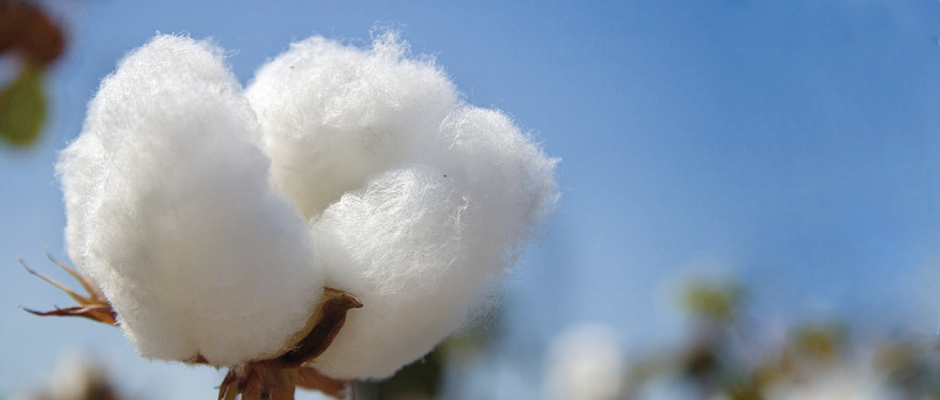
Cotton fiber or "batting" is the most common fill ingredient in traditional futons. Cotton is durable and strong, and it provides plenty of firm support with just enough flexibility to be a great natural foundation for any bed. As with all of our ingredients, we cross-align layers to provide a consistent even surface.
The three parts of the cotton plant used to make cotton batting are:
1. Staple - The staple is the long, strong and most desirable fiber of the plant. It’s also the most expensive.
2. Linter - These are shorter, weaker fibers that are the most commonly-used cotton fiber because they are readily available (Soaring Heart doesn't use any linter in our products).
3. Motes - These are small pieces of underdeveloped cotton seed that add strength, consistency and mass to cotton batting.
Our organic cotton blend successfully passes all federal flame testing without having ANYTHING added to it. No boric acid, no chemicals of any kind.
In our handcrafted Soaring Heart product line we are very proud to be using the highest-quality organic cotton, grown right here in the US. The cotton batting is composed of 60% staple fibers and 40% mote. You’re not just paying a premium for an organic certification; this cotton uses the superior staple fiber as opposed to linter which is often used in bedding. This superior blend is best for bedding as it holds up very well over time with minimal felting or compression.
When purchasing an organic cotton futon or shikibuton, it's important to note that the organic cotton batting starts out much fluffier than standard cotton, so your bed might not start out feeling as firm as you're used to. Organic cotton batting will compact down and become pleasantly firm after a short while.
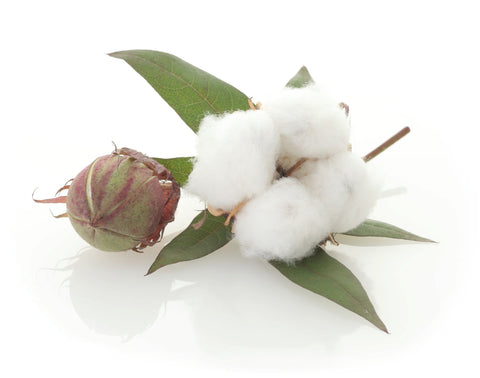
There is not very much organic cotton grown in the US, only about 16,000 acres as of 2011. However, when cotton is grown organically, pesticide use in the world is drastically reduced. Organic farming does not employ synthetic pesticides, herbicides, or fertilizers, making organically grown cotton a very clean, pure, natural product without any toxins whatsoever. Organic farming also depends on healthy soil management that reduces erosion and runoff.
Organic cotton is not only healthier for our beds, it is healthier for the natural environment in our farming communities.
For our mattresses (excluding the Madrona, Sitka, and Laurel latex mattresses, which are quilted with organic sateen and organic wool), we use 7-ounce cotton twill made with 100% organic-certified cotton. The toppers and duvets use a 300 thread count sateen fabric. This fabric has been scoured to remove the corn starch sizing.
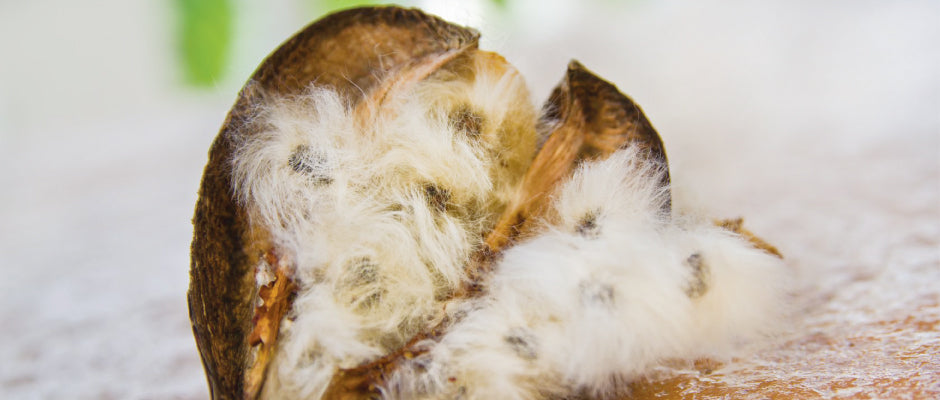
At Soaring Heart Natural Beds we fill our pillows with a variety of materials including wool, cotton, and latex. Some of our more interesting fills are organic roasted buckwheat hulls and sustainably sourced kapok fibers. All are comfortable and when matched with the right sleeper, make the Perfect Pillow.
Kapok fiber comes from the seedpod of the Ceiba Pentandra tree, one of the tallest trees to grow in rainforest climates around the world, and one of the only sustainable resources cultivated in the rainforest. This water-resistant lignin/cellulose fiber is about eight times lighter than cotton fiber and many times more buoyant than cork--qualities that allow it to be lifted into the air by the slightest breeze, distributing the seeds inside to new areas of the forest where they may take root.
This airiness is also what makes kapok fiber an excellent pillow filling. It stays fluffy and light without absorbing body moisture, and it is practically
impervious to mold, mildew or decay. The inability of kapok fiber to absorb moisture also makes it an inhospitable environment for dust mites, so kapok can help to control allergies.
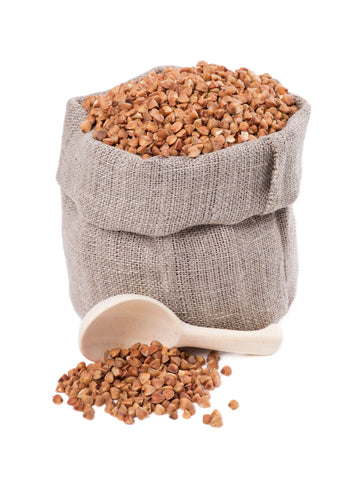
At Soaring Heart, we use only use organic buckwheat hulls that have been carefully selected for use in pillows. The buckwheat is also roasted, insuring that the hulls contain no live mold spores, stems, flowers, or other foreign particles.
Buckwheat hulls are a byproduct of milling buckwheat, and in traditional Japanese sleeping arrangements they are used as filling for pillows. The hulls move freely within the pillow casing, meaning that they fill in the contours presented to them, then settle together to hold the weight with a passive, individualized, breathable support.
Buckwheat doesn't retain body heat, so sleeping on a buckwheat pillow always feels cool and dry.